Spotlight on the people behind The ClimateMusic Project

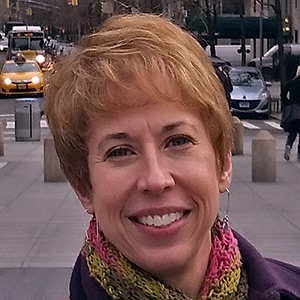
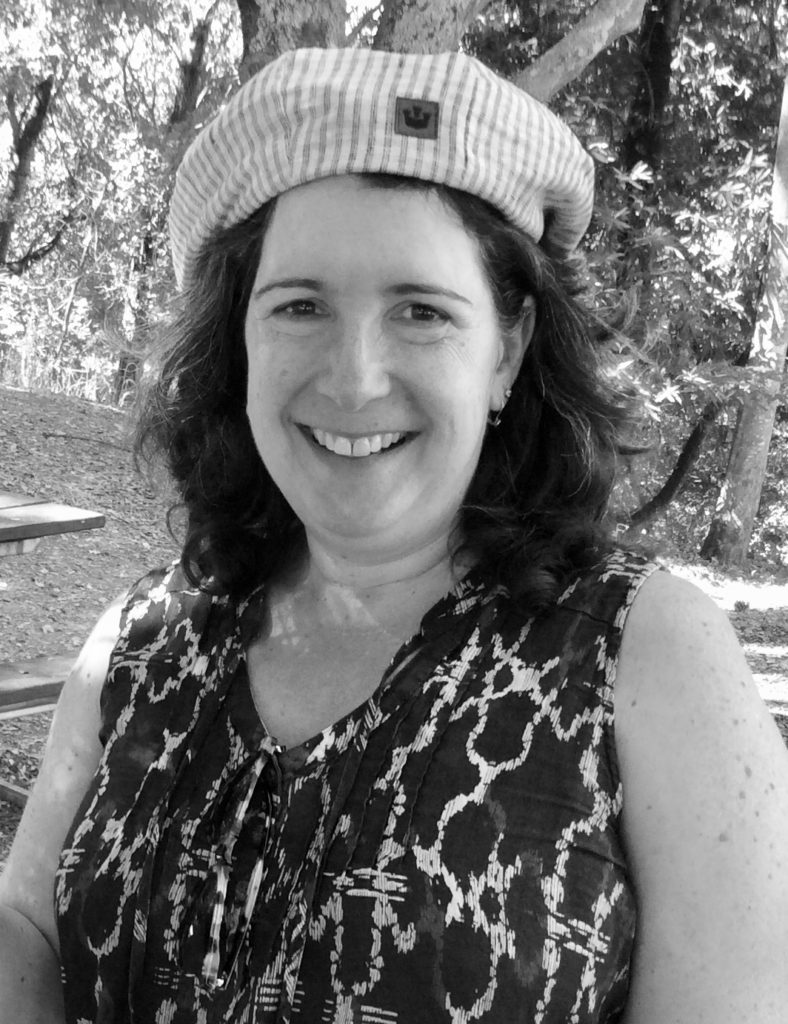
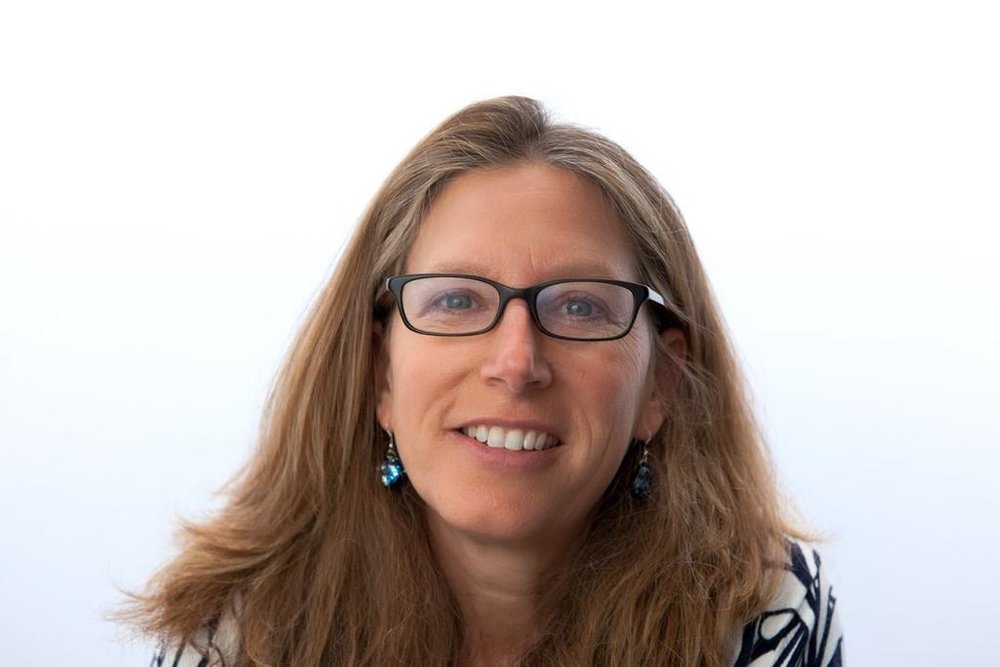
Our team is made up of highly diverse, creative, talented, and energetic individuals, like Executive Team member Fran Schulberg. 
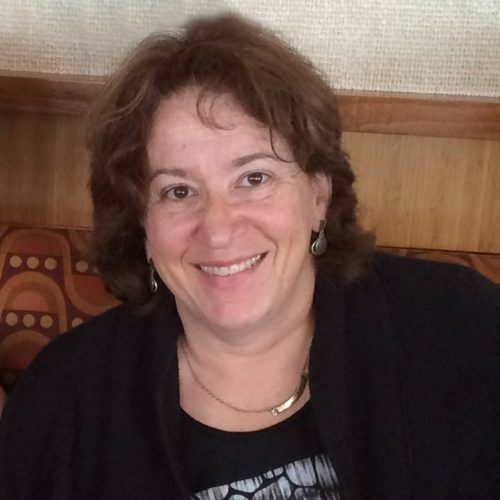
Fran is an attorney who has worked on issues related to international environmental policy for her entire career. Most recently, she was the Executive Director of a non-profit organization that focused on energy efficiency in China. A former Fellow at the Council on Foreign Relations, Fran worked for more than two decades as a consultant in support of international organizations and government agencies addressing environmental and chemicals management issues. Prior to becoming a consultant, Fran worked for the Organisation for Economic Co-operation and Development in Paris in their Environment Directorate. Fran has a BS degree from SUNY Albany, with a double major in Environmental Studies and Mathematics, and a JD from Harvard Law School.

What is your role on The ClimateMusic Project?

FS: As one of three members of the Executive Team, I am involved in all involved in all aspects of the day-to-day operations of the organization.  This includes, for example, facilitating the collaboration between our science team and composers, organizing live and virtual events, managing volunteers and contractors, and dealing with the administrative aspects of running a non-profit, including fundraising. 

You have had a distinguished previous career in international consulting related to environmental issues, including with UN agencies and the OECD in Paris.   Why are you involved in The ClimateMusic Project? 

FS: I have been an environmental activist since I was a teenager and my entire career has been focused on addressing sustainability and, in particular, global and international issues.  While the consulting practice was intellectually challenging, and working with representatives from around the globe was fascinating, after more than two decades I was ready for something new.  In particular, I was looking to engage at a more local level, working with a committed and collaborative team, in a position that required creativity.  So when Stephan asked me to join the newly-created ClimateMusic Project, I was thrilled to accept.

What do you think that this collaboration between scientists and artists can achieve?

FS: Science provides the understanding of what is happening to the climate and what we can expect, from historical data and well-established models.  Bringing together international experts through the IPCC allows us to get a global consensus related to climate change.  However, the science is not, in general, being well communicated to the public. Gaining a general consensus on the climate crisis is important for creating the political will needed to take the critical steps in a timely manner to avoid irreparable harm.

Music, and the arts in general, can provide an effective channel to reach large parts of the public who might not learn about the climate change through journals or lectures. The arts can reach the hearts and minds of audience members to convey the urgency of the climate crisis and can inspire individuals to take action. 

What’s your favorite kind of music, and with whom would you like to see The ClimateMusic Project collaborate?  

FS: I don’t have a favorite type of music;  my play list includes a wide range of genres including pop, Broadway, rap, jazz, folk, R&B. and rock. I also don’t have one person in mind for a ClimateMusic collaboration.  For me, the most important consideration is to find quality composers and musicians who have large followings, in order to meet the goal of having ClimateMusic reach broad and diverse audiences.  There are a few well-known performers who have stated their concern for the climate, like Paul Simon, Billy Eilish, and Pharrell Williams.  I would really like to find a country musician to join the ClimateMusic team since that is a genre we have not yet worked with.  

What advice would you give someone who is looking to get involved in the fight against climate change?

FS: First, I would underscore that everyone has a role in addressing climate change.  In addition to thinking about how your own actions can impact the climate, one of the easiest things to do is to use your voice: talk to others – friends, family, colleagues – about the issue whenever you can.  Think about where you might have an influence in raising the issue – in your school or your kids’ schools, at your place of business, in your congregation.  Another way to make a big difference is to learn about candidates at local, state and national levels and be sure to vote for individuals who think that climate change is an urgent issue.  If you have more time, find an organization that interests you and reach out to find opportunities to work with the organization. That could involve: campaigning for a candidate you support; teaching students; engaging with others to create gardens; lobbying government officials; helping to raise money for climate-related organizations, and so on. 

International Recognition

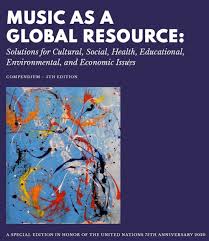
We are honored to be one of 109 projects in 54 countries to have been included in the 2020 Music As A Global Resource compendium. This resource documents and promotes music initiatives connecting communities and addressing critical sustainable development needs on international, national and local levels.

The inception of Music as a Global Resource began through the International Council for Caring Communities (ICCC), a Non-Government Organization (NGO) that has Special Consultative Status with the Economic and Social Council of the United Nations (ECOSOC) and works with various UN partners.

The Music as a Global Resource initiative has since participated in an ongoing series of high-level UN dialogues and conferences. Since then this creative holistic approach to solutions has continued and deepened through an ongoing series of six high-level UN dialogues and conferences.

2020 Compendium

An evening of music and conversation about climate solutions with the Rainier Club in Seattle

We were delighted to have been invited on December 7th to engage online with members of the venerable Rainier Club in Seattle. The evening event included the screening of a short video version of Climate, a composition by composer Erik Ian Walker in collaboration with The ClimateMusic Project. Erik joined from San Francisco to answer questions about the work, and Dr. Whendee Silver logged-on from Berkeley to engage the audience in a conversation about solutions to the climate crisis.

During the pandemic we have been developing online programming, and invite schools, civic groups, faith communities, and others to contact us about scheduling an event!

We Invite YOU to Play for the Planet!

The ClimateMusic Project is excited to announce the launch of a new campaign to inspire climate action: Play for the Planet! 

We invite musicians of all stripes–amateur as well as professional–to participate by providing a brief musical answer to the question: What do you want the future to sound like? And we invite non-musicians to view, share, and be inspired by the video responses! We have already posted videos by really remarkable artists, including Laura BrehmScarlet Rivera, and Heitor Pereira

We are asking participants to call out a climate action organization that they like so that these resources can be shared as broadly as possible.  You can learn more about The ClimateMusic Project’s growing network of action partners here. Check out our campaign landing page to view the latest contributions from musicians from around the world and to learn more about how you can Play for the Planet!  

Play for the Planet is affiliated with Climate Week in New York City, which runs from September 21-27. 

Calling All Young Vocalists!

Are you a young singer who wants to use your voice to speak out on the climate crisis? If so, grab a parent or guardian and read on!

The ClimateMusic Project is joining together with the band COPUS to create a video montage for “What If We…?”, a musical and spoken-word composition that tells the story of the effects of sea level rise on people and the planet. Check out the meaning behind the music here and a New York Times article about the composition here! We invite singers, ages 7-13, to submit short videos of themselves singing the chorus of this composition. These videos will be used to create a virtual choir of children from around the world, asking the question “What if we change?” By participating in this project, you will help us communicate the urgency of climate change through music and motivate others to take climate action.

If you’re interested in submitting a video, click here.

New Podcast Series Launched!

We are thrilled to announce the launch of our new podcast series, Climate Vibes, a series of conversations at the intersection of art and climate action. Join us on Spotify, YouTube, or SoundCloud as we explore human creativity sparking action on and solutions to the climate crisis. Our first episode features artist Alisa Singer and can be accessed here.

What Have We Been Up To?

The pandemic may have postponed our live performances, but we have been as busy as bees, working to expand our digital presence, enhance our public communications, launch exciting collaborations with two remarkable composers, and set the stage for a very impactful year ahead. To help accelerate this work over the summer, we’ve added six talented and highly skilled interns to the team. You can read their bios on our team page. We’ll be sharing the results of this labor in the weeks and months ahead. Stay tuned for more soon!

Partner Spotlight: Interfaith Power and Light

Our Solutions Partners provide pathways to action in order to help our audiences to learn more about the climate crisis, take action at home and locally, and to build community around the issue to accelerate action nationally.  This month, we are delighted to shine the spotlight on Interfaith Power and Light (IPL), which inspires and mobilizes people of faith and conscience to take bold and just action on climate change.  We caught up recently with IPL’s president, the Reverend Susan Hendershot, to talk about her work. 


For those who are not aware of IPL’s work, can you provide a short description of its mission and where folks can learn more? 

The mission of Interfaith Power & Light is to inspire and mobilize people of faith and conscience to take bold and just action on climate change. We work with individuals and congregations of all religious and spiritual traditions throughout the United States through our programs and policy advocacy, providing a moral voice on the issue of global warming. To learn more they can visit our website.

How are you moving your work forward during the Covid-19 pandemic? 

The issue of climate change is as relevant and important as ever, and we remain committed to providing resources and opportunities for action to our supporters. We know from emerging research that there is a connection between those communities that are most impacted by COVID-19 and air pollution. Scientists have also predicted the spread of disease because of a warming climate. Right now we are focused on policy advocacy around what is included in the recovery packages being debated in Congress, including a moratorium on utility shutoffs, increased funding for the low-income heating assistance program (LIHEAP), no bail-outs for fossil fuels, and investment in renewable energy and green infrastructure. We also have COVID-19 resources on our website .

Are you finding that people are receptive to talking about climate during the immediate crisis of the pandemic? 

Absolutely. In fact, we have found that climate remains a top-tier issue for our supporters, and that polling of likely voters also supports this.

Tell us a little about your background.  What led you to this work? 

I am ordained clergy in the Christian Church (Disciples of Christ) denomination, and prior to this work I was serving local congregations. The issue that I was most passionate about was the issue of hunger, so I wasn’t giving much attention to climate change. However, I read an article about the geopolitics of food that connected the dots for me between hunger and climate change, and I realized in order to solve hunger I needed to work on climate. Because I have two sons who are now young adults, I started to recognize the issues of generational justice—that their generation would be tasked with solving a crisis that they didn’t create. This has focused my work and given it meaning, because I’m working on their behalf. Since then I’ve come to recognize all of the intersected justice issues—racial justice, gender justice, economic justice—and how centering justice in this work is critical to its solutions.

If a reader would like her/his congregation to become part of the IPL network, what steps should s/he take?

There are two great steps that a person can take. First, definitely sign up to receive our emails. This will put you on the list to receive information about programs and action alerts. For example, you can find out about our Cool Congregations program offerings, and/or sign up to be a Faith Climate Voter in 2020.

Second, check our website to see if there is a state affiliate in your state. Our affiliates are working at the state and local levels to provide programs and advocacy on state policy, and you can connect with other supporters in your area.

Once you’ve established a relationship with a congregation, how do you engage with them? What does IPL offer that that might be different from other climate advocacy organizations?

IPL has a very unique approach to our work, because we engage at multiple levels on climate change. We run programs that teach people how to lower their carbon emissions in their homes and places of worship, and in fact we just launched a new carbon calculator designed for congregations that is one-of-a-kind. 

Secondly, we focus on policy advocacy at the federal level, and with our 35 active state affiliates around the country we can also provide advocacy at the state and local levels. We are the only faith-based climate organization working at all of those levels.

And, in 2020 we are also focused on a voter mobilization campaign to turn out faith-based climate voters at the polls in November (or, more likely, to mail in their ballots.) We know that in order to enact comprehensive climate policy in 2021, we need to elect climate champions to Congress as well as to state legislatures. You can access our voter campaign  here.  

What intrigued IPL about working with The ClimateMusic Project? 

Well, first of all, I love music. I listen to some type of music every day, and I think that’s true for a lot of people. Right now I’m thinking of people singing from their balconies in Italy while they were in lockdown as a way to connect with their neighbors and their community. It’s emotional, spiritual, and engages our senses. Of course, most spiritual traditions use some type of music within their worship services, and sacred music has been around as long as religion has existed. Maybe even before.

And, we also know from research that children who are involved in music also do better when it comes to math and science, engaging and stimulating those parts of the brain. So I can’t think of anything better than bringing together music and science to help people better make a connection to climate change. The music, the visuals, it really provokes our thinking in ways that mere charts and graphs never will.

What gives you hope? 

I really love this quote from Rebecca Solnit on hope. She says, “Hope is a belief that what we do might matter, an understanding that the future is not yet written.” In other words, what I choose to do today—any actions large or small—create the future. The outcome is not predetermined. It’s true, we need to act quickly in order to stave off the worst impacts of climate change, but we do have the ability to create a thriving Earth home for both current and future generations IF collectively we choose to do so. I believe that people of faith and conscience can lead the way.

Thank you for your work and partnership. 

Celebrating Earth Day’s 50th Anniversary with the National Academy of Sciences!

Please join us on Wednesday, April 22, 3:00 p.m.-4:30 p.m. EDT for a free online event with The National Academy of Sciences that will explore the intersection of music, climate science, and community action.

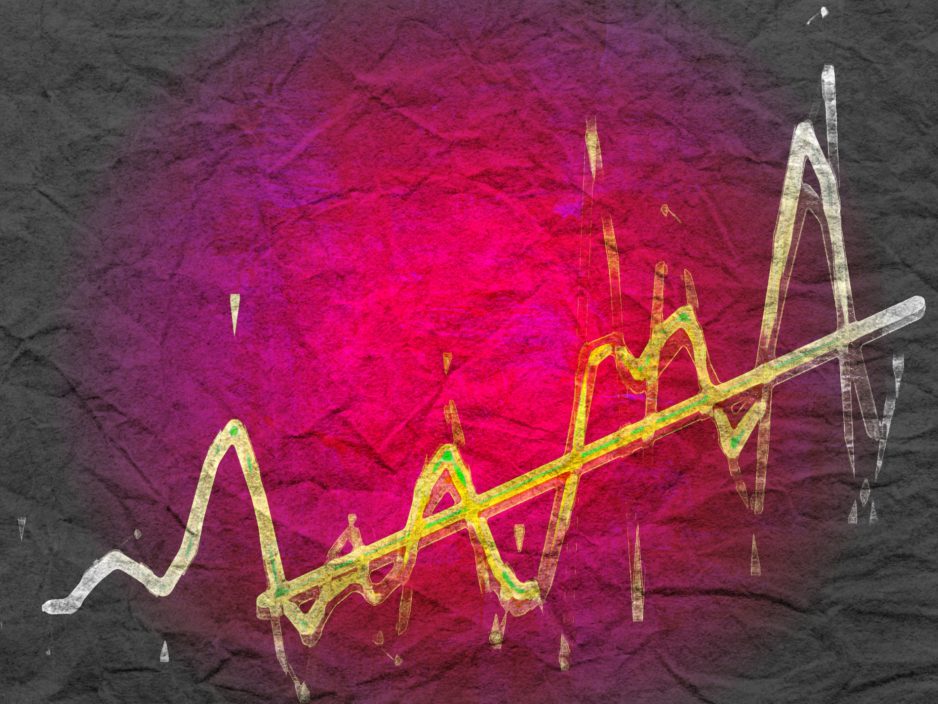
The program will feature clips and a discussion of a previously recorded performance of Icarus in Flight, an original chamber work by acclaimed composer Richard Festinger, performed by the award winning Telegraph Quartet. Icarus in Flight is a science-guided composition that models three human drivers of climate change – population growth, fossil fuel use, and land-use change–over two centuries, from 1880-2080 based on widely accepted IPCC data.

To register for this free event, please click here.

Panelists: Richard Festinger, Icarus in Flight composer, San Francisco; William D. Collins, James and Catherine Lau Chair in Sustainability, Earth and Planetary Sciences, University of California at Berkeley; Coordinating lead author, WG1 AR6,  The Intergovernmental Panel on Climate Change; Amanda Staudt, Director, Board on Atmospheric Science and Climate and Polar Research Board, National Academies of Sciences, Engineering, and Medicine, Washington, D.C.;
Laurie Goldman, Director, Public Engagement, The ClimateMusic Project, San Francisco, California Moderator:
Barbara Stauffer, Chief of Community Programs, National Museum of Natural History, Smithsonian Institution, Washington, D.C.

This program is part of The ETERNAL Experience series taking place throughout spring 2020 at NAS, organized by LabX and Cultural Programs of the National Academy of Sciences

Engaging during this time of crisis

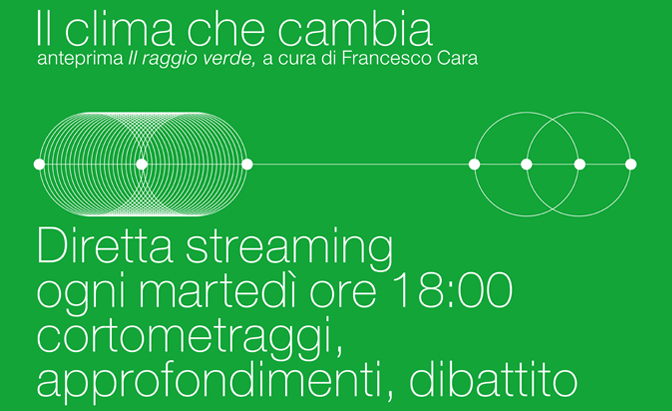
On March 31st we were delighted to have had the opportunity to screen a version of “Climate” for 120 people via a Zoom event in collaboration with Francesco Cara (Climate Reality Project, Milan, Italy) and the International Institute of Architecture, based in Switzerland.

The event, “Il clima che cambia” (“The Changing Climate”), launched a five-week series of short films and conversations on the climate crisis. This first event included the participation of Serena Giacomin, meteorologist and climatologist of the Epson Meteo Center and President of the Italian Climate Network, as well as an opportunity for the participants to engage on the topic. Laurie Goldman, a member of our Executive Team, gave an overview of our work in Italian!

Spotlight on the people behind The ClimateMusic Project

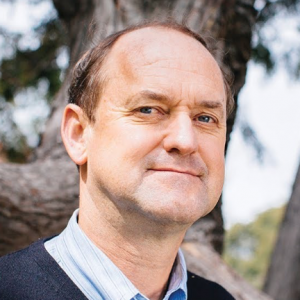
OUR TEAM IS MADE UP OF HIGHLY DIVERSE, CREATIVE, TALENTED, AND ENERGETIC INDIVIDUALS, LIKE EXECUTIVE TEAM MEMBER AND DIRECTOR OF PUBLIC ENGAGEMENT LAURIE GOLDMAN.

Laurie is a veteran public policy professional who has held positions in government, industry, and academia. She most recently served as Deputy Director of UC Berkeley’s Global Engagement Office overseeing the development of partnerships with international universities and advising the campus on best practices for global engagement in a higher education context. As head of Global Trade Policy for Levi Strauss & Co., she advised on global trade and development issues. Laurie has always been passionate about working with institutions committed to a greater good and has sought out opportunities to engage on global concerns. She holds a Master’s degree in International Affairs from George Washington University and an undergraduate degree in Political Science from Tufts University.

What is your role on The ClimateMusic Project?

Well, we are a small organization so we each do a little bit of everything to keep the lights on.  However, as Director of Public Engagement my primary role is to contribute to activities that broaden our reach with audiences and connect people to our work.  That can involve liaising with media, engaging on social media platforms, developing ideas for stories that will resonate, or working with our solutions partners to connect them to our audiences so folks can find a pathway to action that matches their interests. 

You have a distinguished career in public policy, including senior positions at Levi’s, Gap, and UC Berkeley.   Why are you involved in CMP?  

I have always been involved with advocacy and communications related to public policy issues.  Climate Change is the ultimate public policy issue and not much else matters if we don’t make progress to change our current trajectory.  I find myself called to use my skills to find a way to motivate people to act at sufficient scale to make a difference. I like finding ways to translate issues for people so that they understand why it matters and what they can do about it.  That’s what The ClimateMusic Project is all about.   

What do you think that this collaboration between scientists and artists can achieve?

People are motivated to take action when they understand an issue and feel inspired to act.  Music has historically been a strong motivator and leaves an indelible impression — how many of us remember the first concert we attended?  Science can be harder to digest and understand, so combining the accepted science with compelling music and visuals has an emotional power that provides a unique way to reach people and helps them to understand the issue as well as what they can do to help.

What’s your favorite kind of music, and with whom would you like to see The ClimateMusic Project collaborate?  

I like a lot of different styles of music including blues, classic rock, classical guitar, folk, jazz, reggae, hip hop, and so on.  I have an interest too in the social history of music and how it has been used effectively to drive change.  I would love to see some of the legends from past social movements get involved with ClimateMusic. It would be great to also leverage more recent artists — wouldn’t it be amazing to utilize an activist like Bono’s platform to deliver a powerful message to save the planet?  But, it would also be fun to work with an even younger set of well known musicians who are environmental activists — some of them might not yet be aware of the power that their platforms can deliver. And we need to remember that climate change is a global problem so working with musicians across the planet could have a significant and inspiring impact. 
What advice would you give someone who is looking to get involved in the fight against climate change?

Sometimes people feel overwhelmed about what they can do.  My advice would be: if you are not doing anything, just start; if you are doing a bit, do more; and if you are doing all that you can, get others on board too. Of course, if you are just starting, there are lots of places to learn about the issue including some great websites like skepticalscience.com, the Union of Concerned ScientistsProject Drawdown, etc.  Or check out our partners at The ClimateMusic Project or your own favorite environmental organizations — there are so many reputable groups out there.  We are also continuing to build our website at The ClimateMusic Project and will have additional information to help people engage.  Check it out.

Coronavirus update

Hello everyone,

Due to the Coronavirus pandemic we have postponed our live concert season for the spring. Please check the events page on this site for further details about new dates and other details, which will be posted as new arrangements are finalized. In the meantime, we are actively developing new programming through digital channels, so stay tuned for more information soon!

Upcoming Shows Announced!

Our spring concert line-up is looking to be robust, with the first shows just announced!

On March 28th and April 8th we will have the honor and pleasure of collaborating with talented young musicians from the Music Conservatory in Amsterdam (The Netherlands) on two live performances in Amsterdam of Icarus in Flight, by composer Richard Festinger in collaboration with The ClimateMusic Project.  These concerts are made possible through the support of the City of Amsterdam’s Fund for Art (AFK) and will be our first live performances of our work in Europe.  We wish to thank our collaborators across the Atlantic for their hard work in producing these performances. Watch our events page for further details!

On April 21st, we will be in Chicago to perform Climate at a major industry conference.  This will be our first live concert in the Midwest, and it will also likely be our largest audience ever, with more than 1,000 people expected in the audience!  Please visit our events page for updates. 

We expect to announce additional exciting engagements very soon, so stay tuned!

A Call 2 Peace Hosts Benefit Concerts for The ClimateMusic Project in Los Angeles!

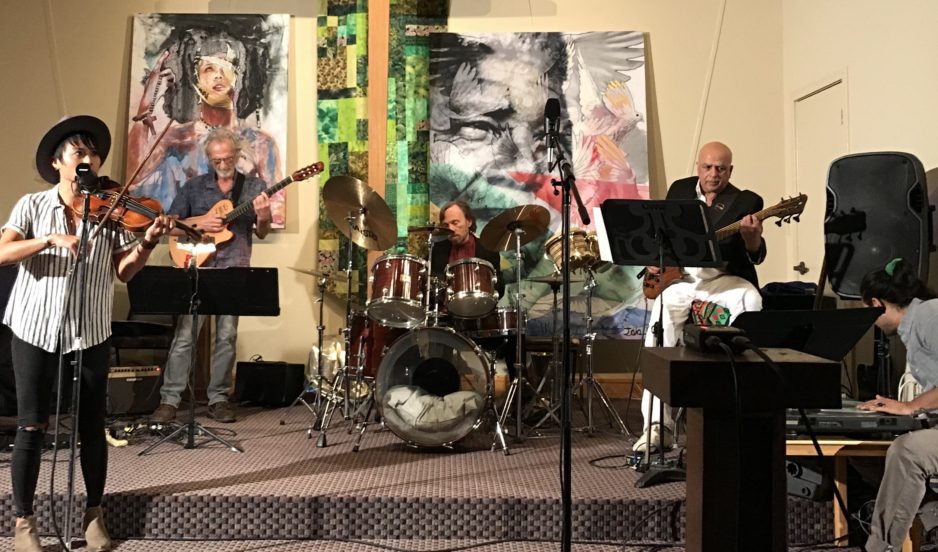
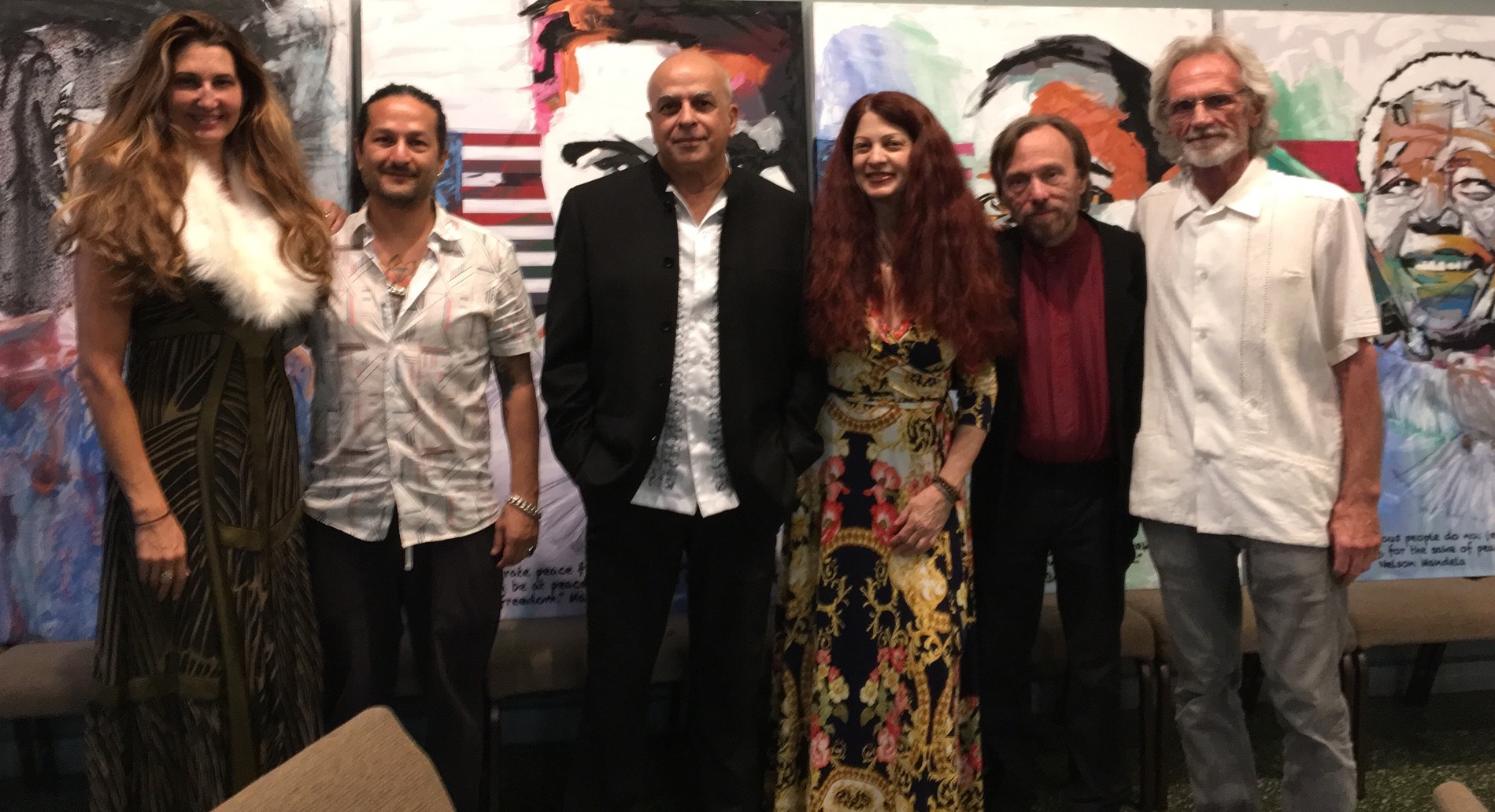
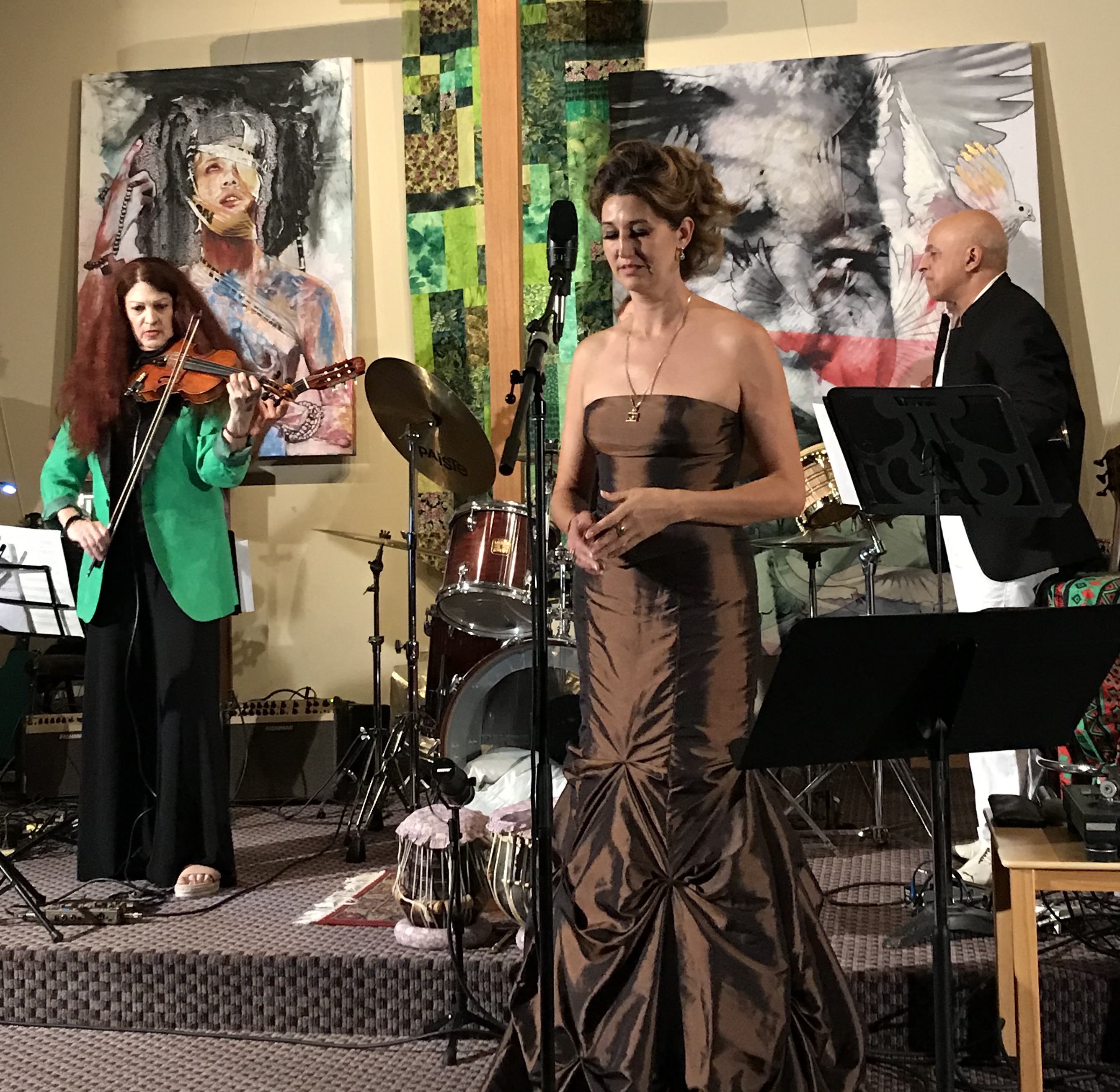
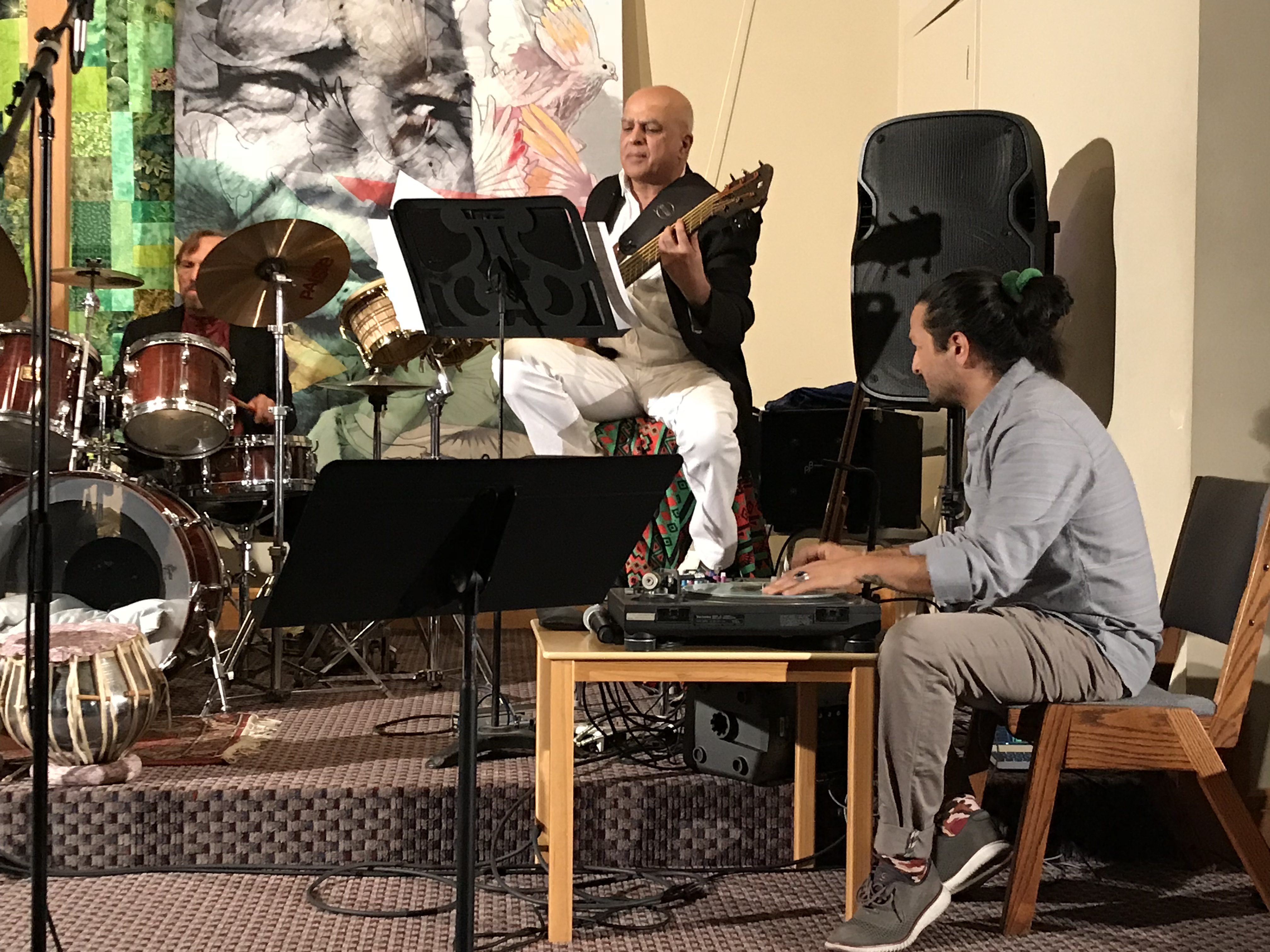
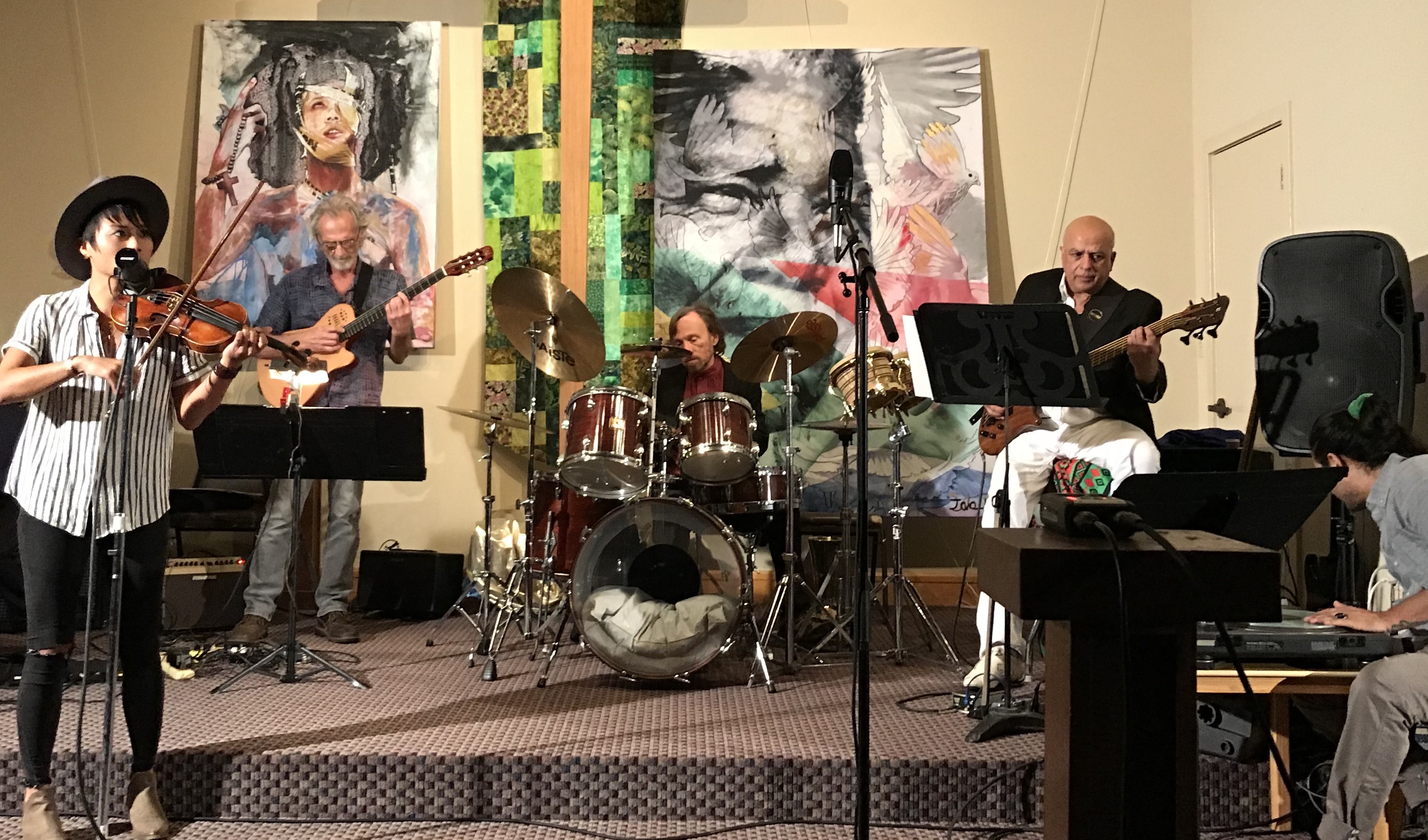
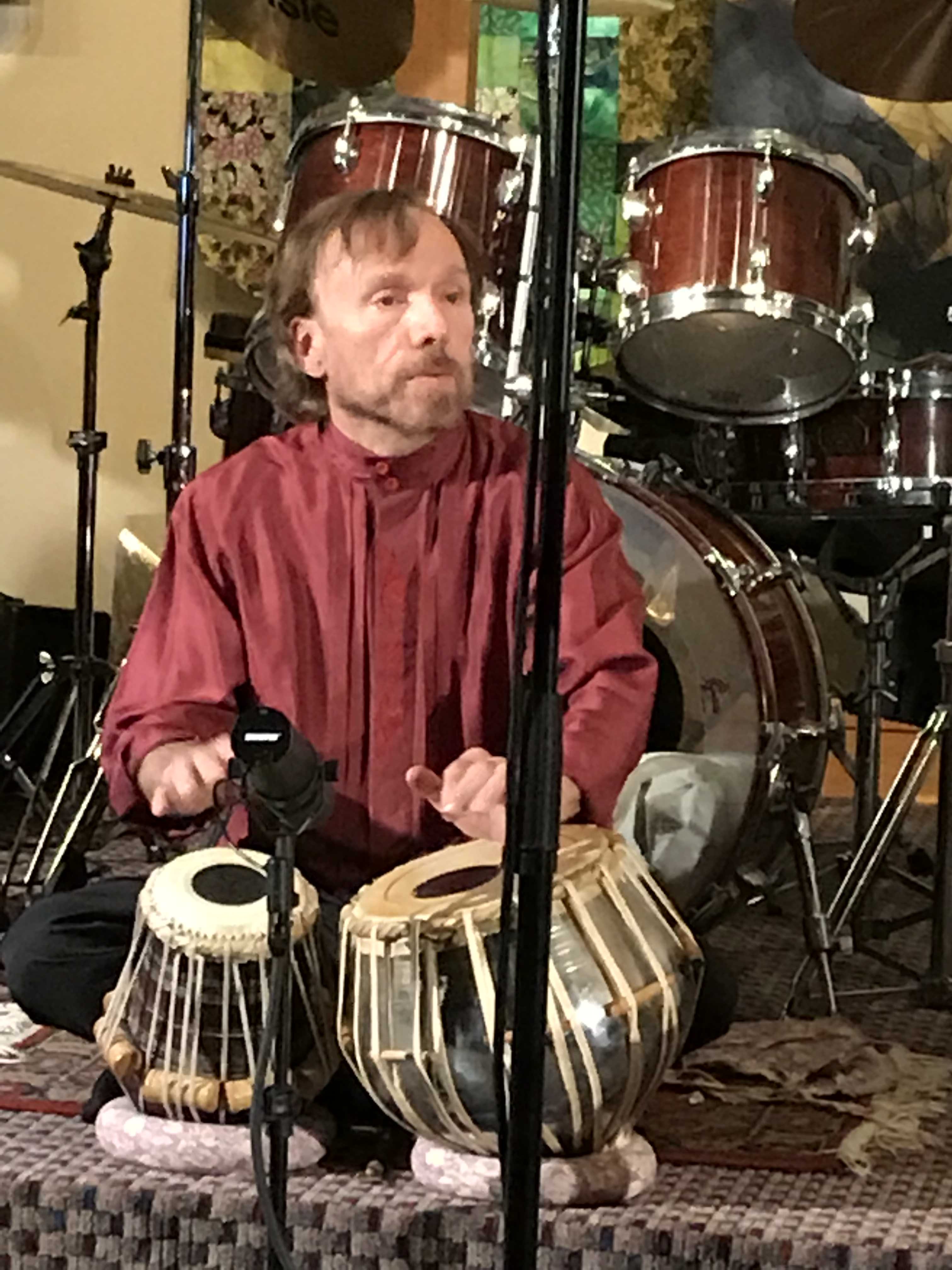
We were honored to have A Call 2 Peace stage two benefit concerts on our behalf over the weekend in Los Angeles.  Special thanks also to our action partner, California Interfaith Power and Light, as well as the venues, St. Andrews Church and MCC in the Valley, for making these benefit events possible. 

A Call 2 Peace was founded by a small group of outstanding musicians who are committed to applying their world class talents to furthering the cause of peace and justice in the world.  The core group includes: Performer, composer, and producer Eduardo Del Signore, whose collaborations have included work with Dionne Warwick, Al Jarreau, Milton Nascimento, Jorge Trasante (Gypsy Kings), and many others; violinist Scarlet Rivera, who has worked closely with Bob Dylan (and appears in the Martin Scorsese film, Rolling Thunder Revue), and many others, including Indigo Girls, Tracy Chapman, and Keb ‘Mo; and soprano Sonia Kazarova, who is currently studying under the baton of Maestro Douglas Sumi of Los Angeles Opera, having recently returned from singing in Zaragoza, Spain with Maestra Diva Montserrat Caballe as a participant performer in her world renowned masterclass.

For the benefit shows, which took place on Friday and Saturday this past week in Los Angeles, A Call 2 Peace invited several guest artists and friends to join them on stage, including percussionist Ron Wagner, guitarist Federico (Freddy) Ramos, DJ Werd, violinist Chishuan, and guitarist Dan Ferguson. Thanks also to South African fine artist Jabu for gracing each venue with his inspiring art!

We are grateful to our friends at A Call 2 Peace and Interfaith Power and Light for their partnership and support! 


Young Composers Engage on Climate

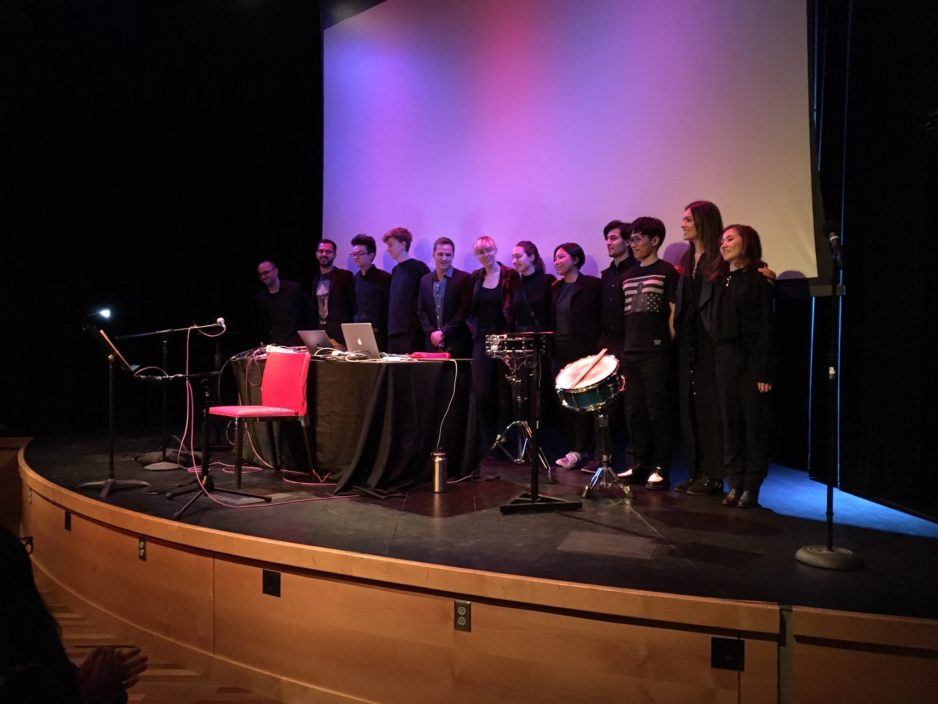
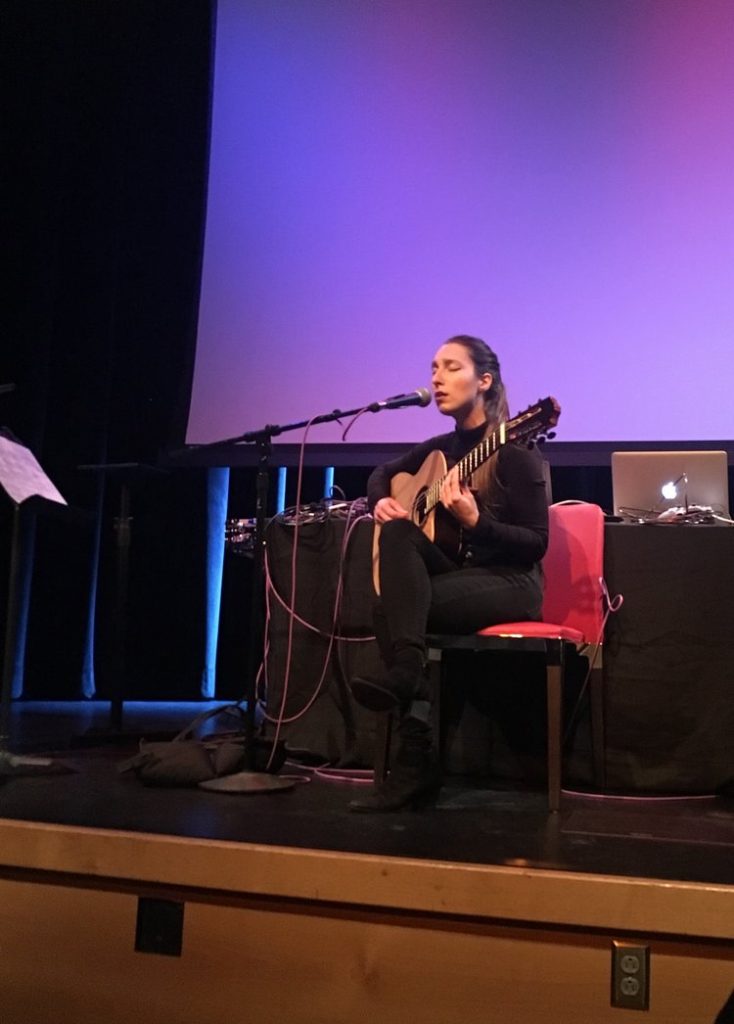
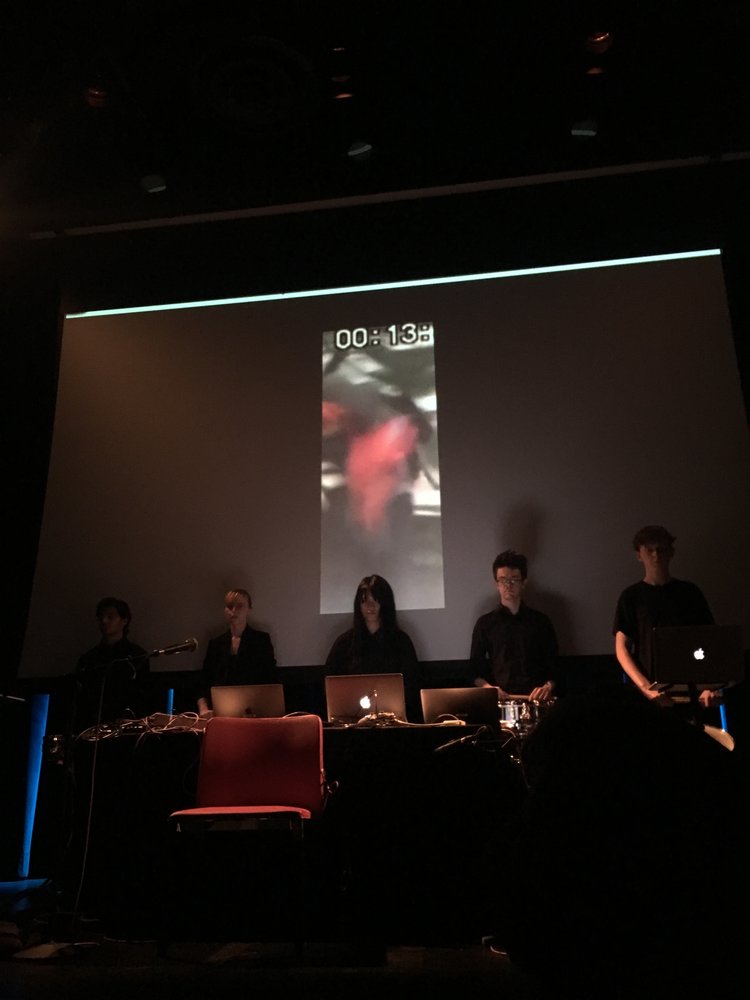
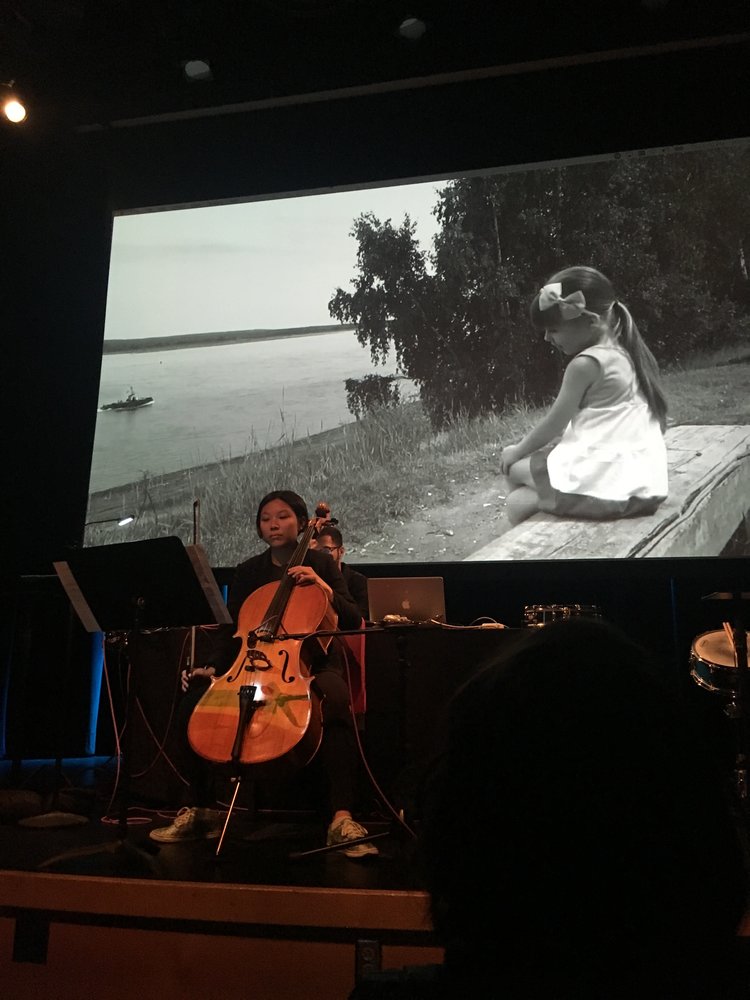
Our on-going collaboration with the San Francisco Conservatory of Music’s Technology and Applied Composition Program (TAC) culminated again this year with a concert of student ClimateMusic compositions. This year’s show took place at San Francisco’s Exploratorium on the evening of May 9th.

TAC Studio Director Taurin Barrera’s Theory of Musical Synthesis students grappled over the semester with the realities of climate change, as introduced by our very own Dr. Alison Marklein. Alison prepared multiple narratives about climate change drawing from the science and backed by data for the students’ exploration and use, and composer Erik Ian Walker talked with the students about his experience in composing Climate as well. Each student then wrote custom software to translate historical climate data and predictive data models into electronic instruments and musical parameters. With this data as the seed, the young composers premiered a range of remarkable compositions exploring the urgent issue of climate change through sound.

We will be posting a few recordings from the show soon! In the meantime, here are photos of just a few of the performances.

Welcoming Dr. Whendee Silver and Dr. David Ackerly to our Science Advisory Committee

We are honored to announce that Dr. Whendee Silver and Dr. David Ackerly have joined our Science Advisory Committee.

DR. DAVID ACKERLY

UNIVERSITY OF CALIFORNIA, BERKELEY

Dr. Ackerly is the Dean of the College of Natural Resources (CNR) and a faculty member in integrative biology with research interests in climate change impacts on biodiversity, integration of phylogenetics and ecology, and conservation biology in relation to 21st century climate change. He has most recently been working on programs that bring together multidisciplinary teams to explore broad research areas including the effects of climate change on biodiversity, the integration of phylogenetics and ecology and novel approaches to conservation biology. In the past decade, as a senior fellow at the Berkeley Institute for Data Science and member of the Berkeley Initiative in Global Change Biology steering committee, he has been increasingly involved in data-intensive projects. David received his B.A. in biology from Yale University in 1984 and his Ph.D. from Harvard University in 1993. He is a fellow of the California Academy of Sciences and the Ecological Society of America, as well as a recipient of the Berkeley Graduate Division’s Distinguished Faculty Mentor Award.

DR. WHENDEE SILVER

UNIVERSITY OF CALIFORNIA, BERKELEY

Dr. Silver is the Rudy Grah Chair and Professor of Ecosystem Ecology and Biogeochemistry in the Department of Environmental Science, Policy, and Management at U.C. Berkeley. She received her PhD in Ecosystem Ecology from Yale University. Her work seeks to determine the biogeochemical effects of climate change and human impacts on the environment, and the potential for mitigating these effects. The Silver Lab was recently awarded the Innovation Prize by the American Carbon Registry. Professor Silver is a fellow of the Ecological Society of America and was named a University of California Climate Champion for 2016 for outstanding teaching, research and public service in the areas of climate change solutions, action and broad engagement.April 4, 2019

ClimateMusic at the Exploratorium, May 9th!

Join us for an evening of exploration at the intersection of music, technology, and science! We have been working with students from the San Francisco Conservatory of Music’s Technology and Applied Composition Program this semester to see what happens with you mix our science team with really creative and talented young composers. The results will be presented at a public concert at San Francisco’s Exploratorium starting at 9:00PM on May 9th! This will be a fascinating evening with eight separate performances over the course of an hour. We look forward to seeing you there!

Welcoming Dr. Chris Luebkeman to our Leadership Council

Dr. Chris Luebkeman
Dr. Chris Luebkeman

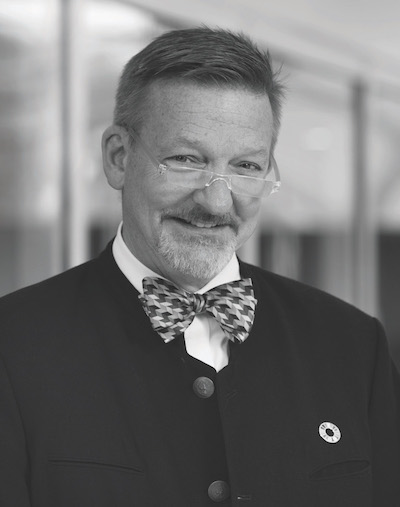
We have the honor to announce that Arup Fellow and Director of Global Foresight + Research + Innovation at Arup, Dr. Chris Luebkeman,is joining our Leadership Council. In this capacity he will add his broad expertise and global perspective to a group of distinguished advisors who counsel The ClimateMusic Project on all aspects of its development.

Dr. Chris Luebkeman

At Arup, Chris works with some of the world’s leading companies to develop a better understanding of the opportunities created by change in our built environment. He promotes the highest standards of design and technical skill to ensure that Arup is one of the world’s leading practitioners in its chosen fields. He is an active participant in conferences ranging in scope from those of the Design Futures Council to TED and the World Economic Forum. Chris worked with the LTA of Singapore to craft their Autonomous Vehicle adaptation strategy, Qualcomm on their Connected Street Program, and with the executive council of the MTR of Hong Kong on their strategic plan 2030. His architectural practice focused on low-impact zero-energy homes; his engineering practice on mobile and deployable structures, and his teaching practice on the integration of building systems.

Chris has served as faculty member at the Swiss Federal Institute of Technology, University of Oregon, the Chinese University of Hong Kong, and Massachusetts Institute of Technology.

Welcome, Chris!