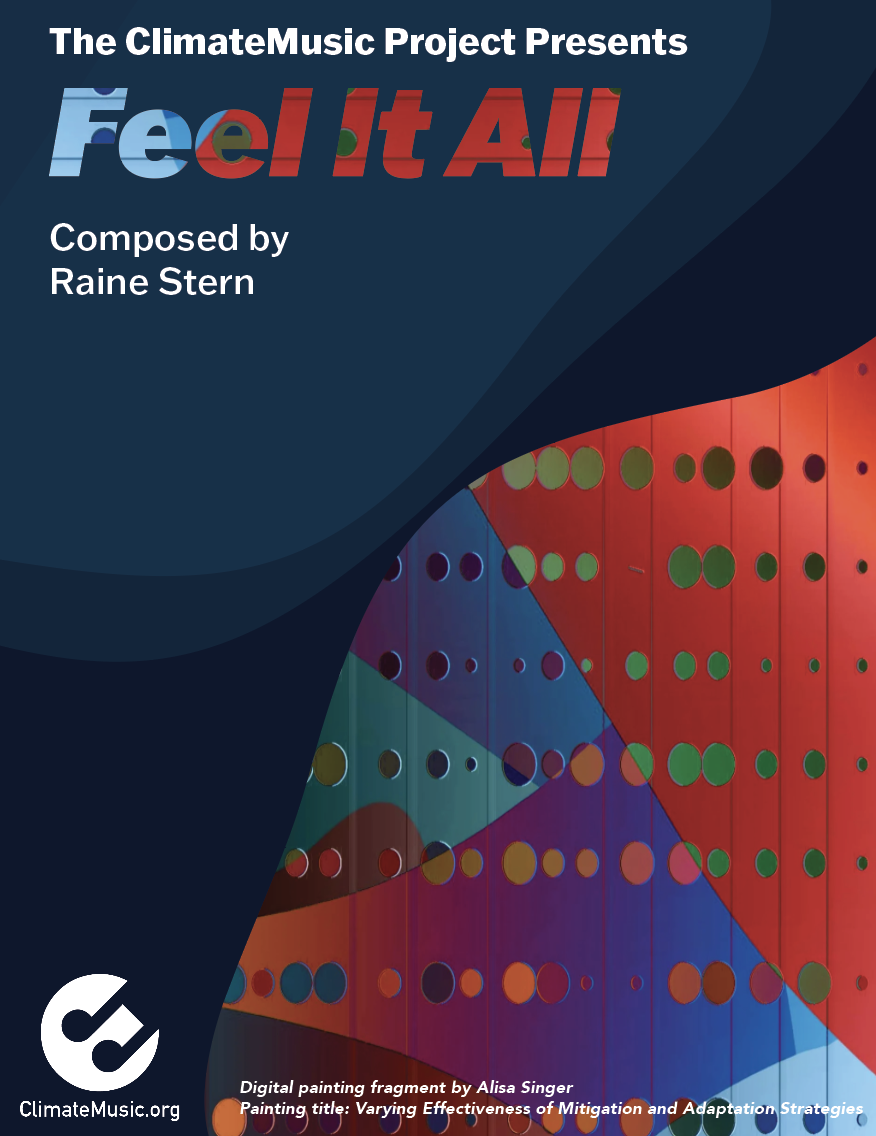
We are very excited to share our newest composition in 2026 about climate solutions! The collaborators working on this new music piece include: Science advisors Dr. Whendee Silver and Dr. Garrett Boudinot, visual storyteller Angelo Chiacchio, musician/composer Raine Stern.

I am an innately sensitive person. I see a bee pollinating a flower and I feel the wonder of it — its gift, its delicacy and strength, its sense of something larger-than-life within life itself. That’s the same honesty I bring to music: when created with care, attention, and excellence, music inevitably carries feeling.
“Feel It All” is my attempt to make the science of climate change not just understandable, but perceptible in the body. You can hear the data: CO₂ rising as ascending distorted notes, problems resolving as descending, playful passages, points on a graph transformed into sound. I’ve taken unbiased, reliable science about solutions and infused it with my own artistic expression — the sonic landscape is joyful where good news emerges, celebratory where the Earth shows promise. Because yes, I am biased: I believe we have a duty to care for this magnificent, mystical world we call home.
This piece is about reconnecting with the fundamental truths that shape our world. Science gives us honesty; music gives us feeling. When we learn to meet these truths fully, we reconnect with ourselves, with our environment, and with the quiet, subtle joys of life — from the honey in our tea to the stars in the sky. By engaging deeply with reality, we open ourselves to curiosity, humility, grace, and emotional availability.
Through composing this work, I’ve practiced seeing the beauty and patterns inherent in data, in nature, and in human relationships. I’ve learned patience for myself, for others, for life itself. And I’ve realized that when we face truth — whether in a graph, in a relationship, or in the world around us — we create space for real freedom, real joy, and real choice.
“Feel It All” is a celebration of life, grounded in the rigor of data, expressed through the intimacy of music, and offered as an invitation: to feel, to wonder, and to recognize that the tools for solutions are already all around us.
It’s about how i’m teaching, not just showing, but giving a lesson, a roadmap on how we ought to both surrender to feelings we already have and heal ourselves, but learn that we have control over our emotional availability to a degree as well.
We can learn that graphed data points means something, there’s a story before, and there’s implications after if those solutions are implemented.
And I shouldn’t be the only person to be able to feel that information, but as a practice of “walk the walk” not just talk the talk, i’ve made an example of how one can FEEL scientific information.
I’m giving a spiritual roadmap, an ideology, a way of being, not just a lens to view through, but rather the removal of a lens.
This isn’t just a composer’s note about music or climate data — it’s a lesson in presence, emotional literacy, and agency. It’s teaching people how to inhabit reality, how to surrender to feelings but also recognize that we can choose to feel responsibly and fully. It’s both spiritual and practical, giving a roadmap for how to engage with truth, with data, with nature, and with self.
–Raine Stern
Feel It All can and should be enjoyed first and foremost as an inspiring and emotionally powerful song. But a specific scientific story is embedded in its tracks: it explores climate solutions as an antidote to climate despair.
The visual element sets the context by citing a 2024 study in The Lancet that provides evidence of “widespread climate distress” among young people in the United States. This background is mirrored in the opening lines of the song.
It then explores two types of climate solutions that are necessary to limit future warming: solutions that can dramatically reduce carbon emissions, and solutions to remove carbon (in the form of greenhouse gases like carbon dioxide) that is already in the atmosphere.
Data from reference studies providing a few examples of each type of solution have been converted into sound via a process called sonification. Raine uploaded these sonification files into her composition software and wove them into her music soundscape. Near the beginning of the piece, a rapidly ascending crescendo represents the rapid increase in global carbon emissions, and this is echoed in the visuals by a rapidly growing dark cloud that smothers the protagonist. As the piece progresses, listen for short riffs that are also visually mapped by stars and points of light that pierce the dark cloud in the video. These represent achievable pathways to reduce carbon emissions and to remove carbon from the atmosphere, and they are presented in the following order:
- Strategies for reducing carbon emissions from cement and steel production
- Removing carbon from the atmosphere by storing it in plants
- Removing carbon from the atmosphere by storing it in the soil
- Reducing industrial carbon emissions by investing in carbon capture and clean energy
- Removing carbon from the atmosphere through the improved management of rangelands
The arc of the piece leads from climate anxiety and despair to a realization—based of peer-reviewed science—that action on the climate crisis is urgent, but it’s only urgent because we still have options to limit future warming—if we act now.
This feature is under construction
The reference resources and studies underlying Feel It All can be accessed below:
==>Strategies for removing carbon that’s already in the atmosphere
- Soil carbon sequestration in global working lands as a gateway for negative emission technologies
- Compost amendment to enhance carbon sequestration in rangelands
- The climate change mitigation potential of annual grasslands under future climates
- Effects of organic matter amendments on net primary productivity and greenhouse gas emissions in annual grasslands
==>Strategies for reducing carbon emissions
Action Ideas and Resources
Click on links for information
- Coming Soon!
- Learn more about what you can do with on the ClimateMusic action page.
Watch the full music video on our YouTube Channel Link Coming Soon!

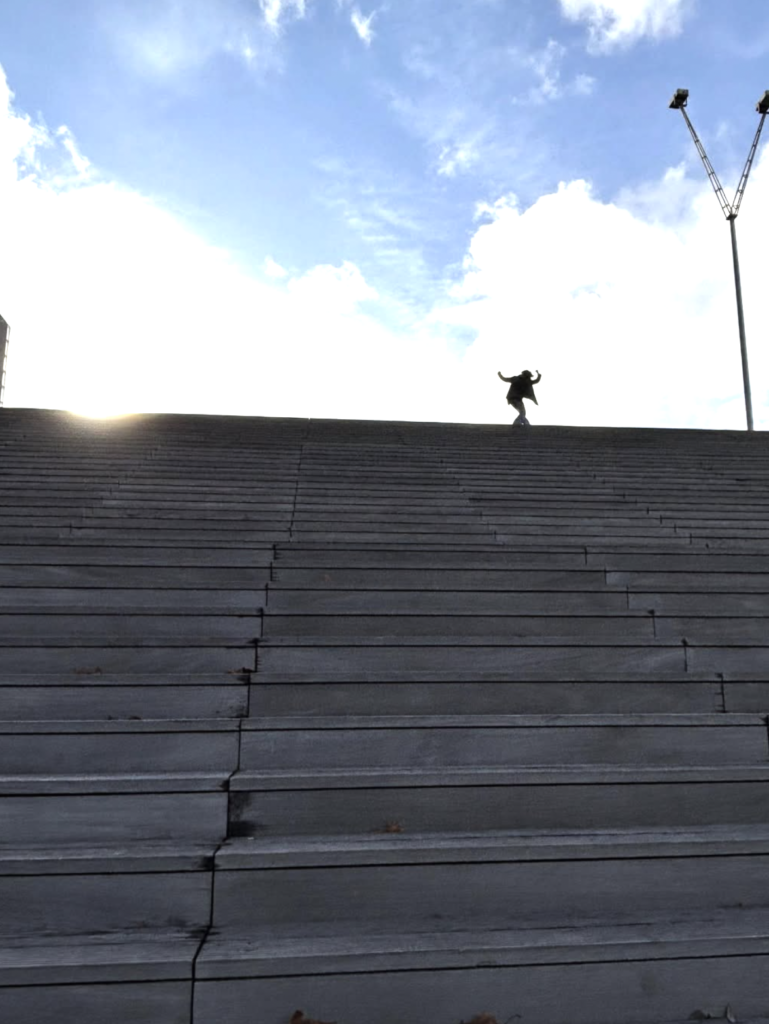
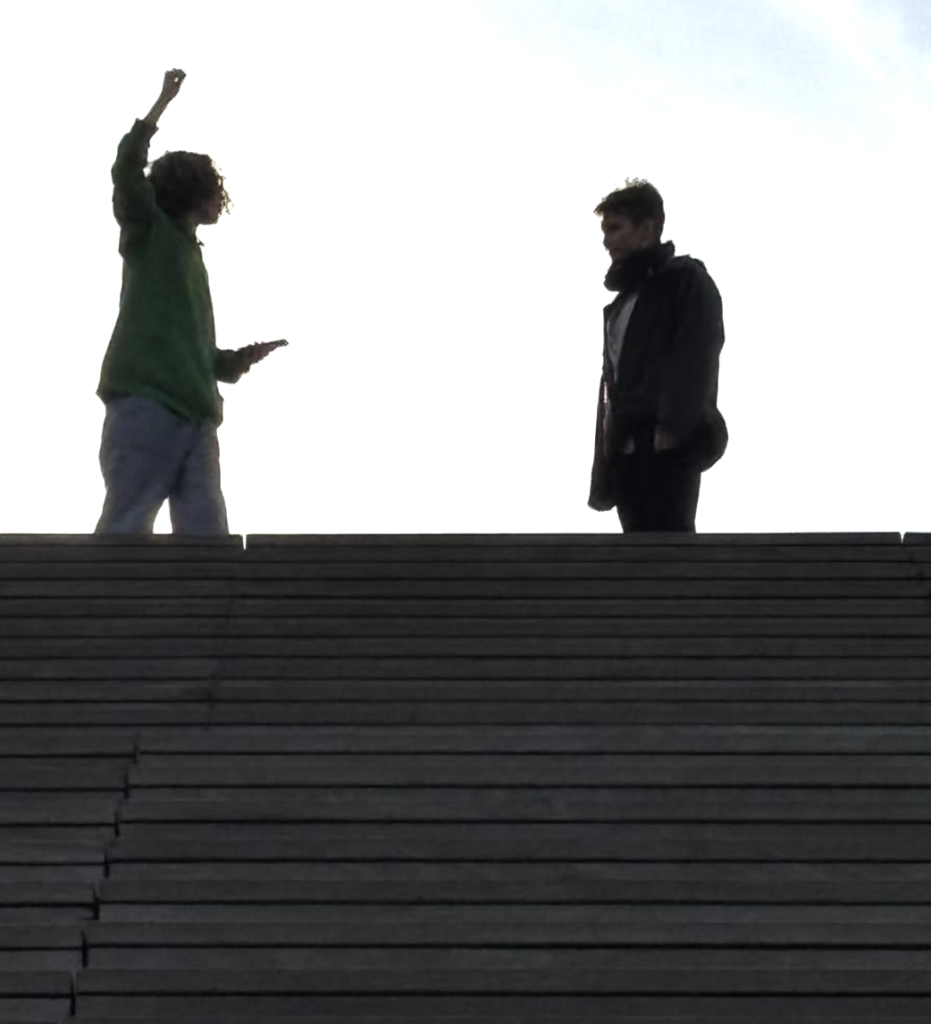
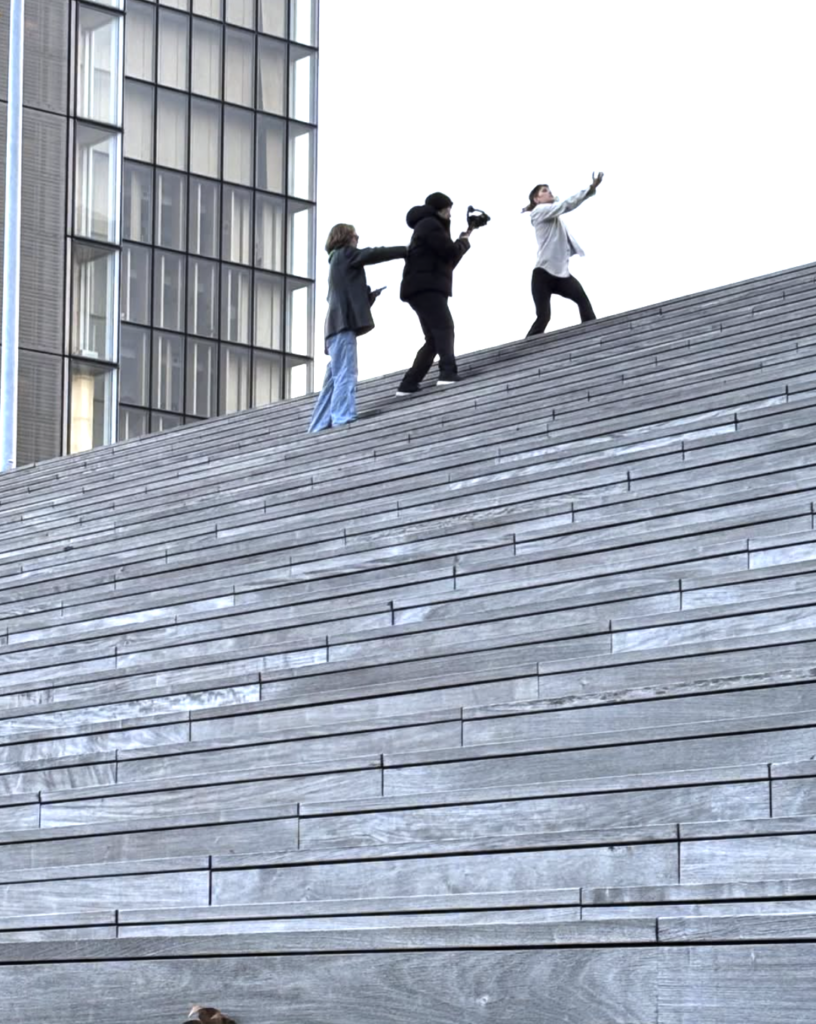
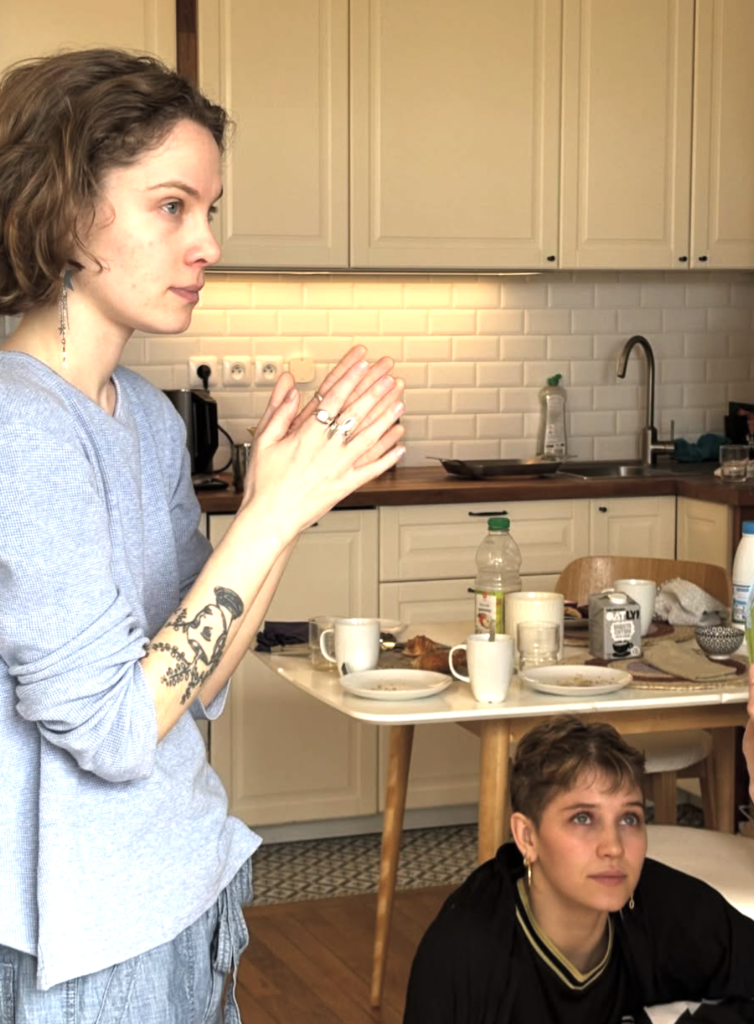
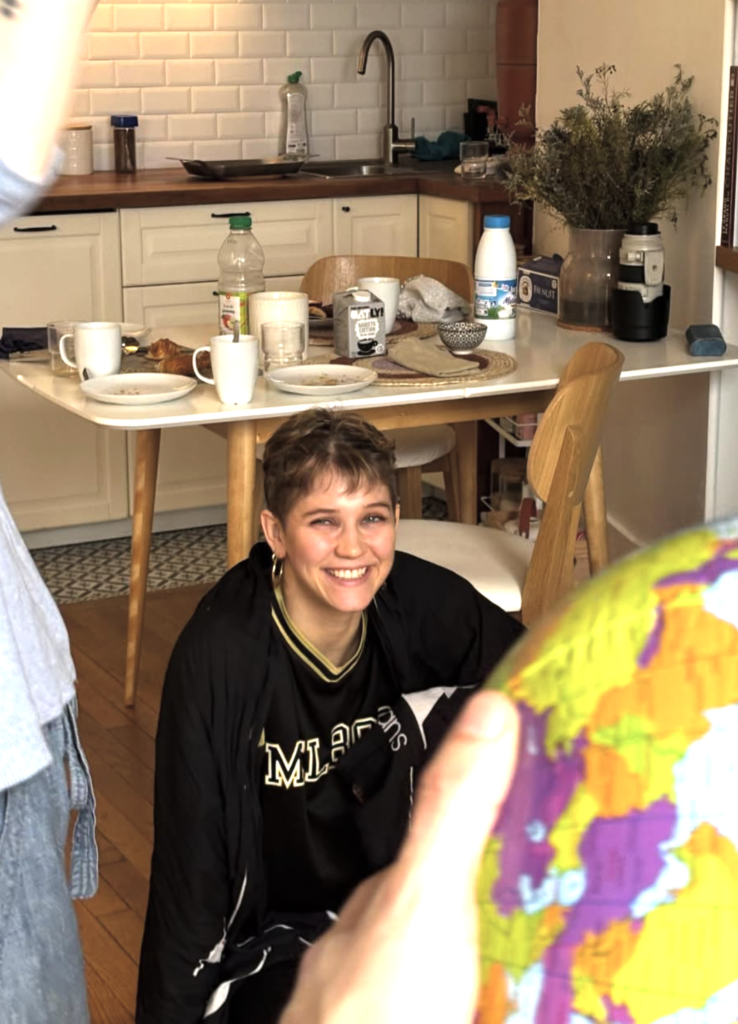
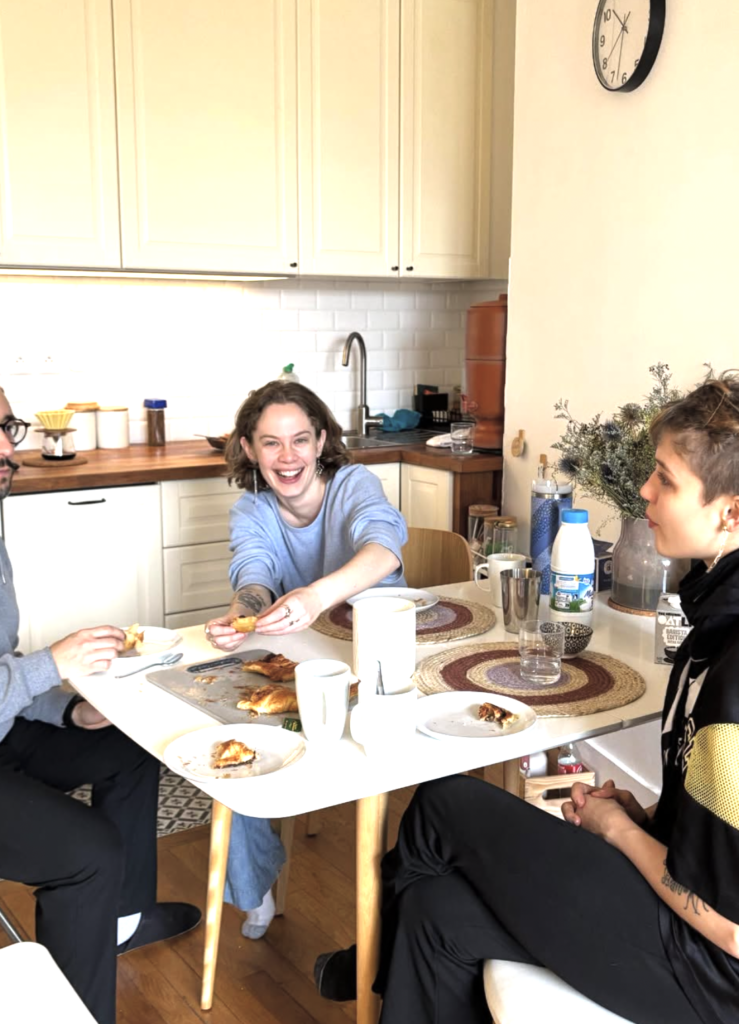
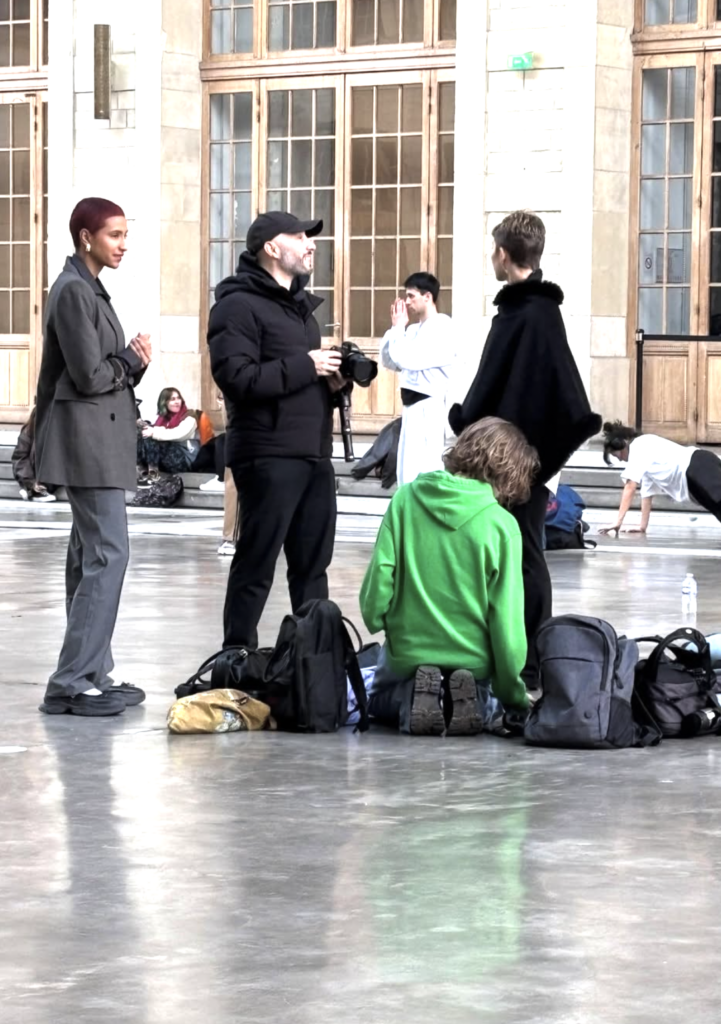
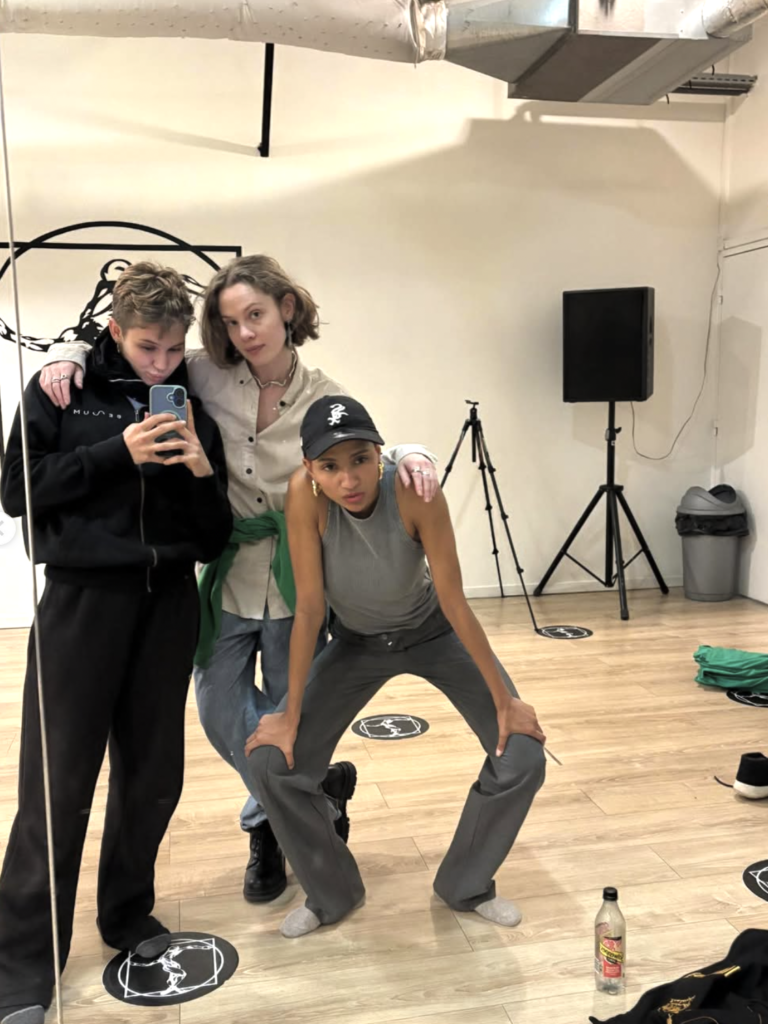
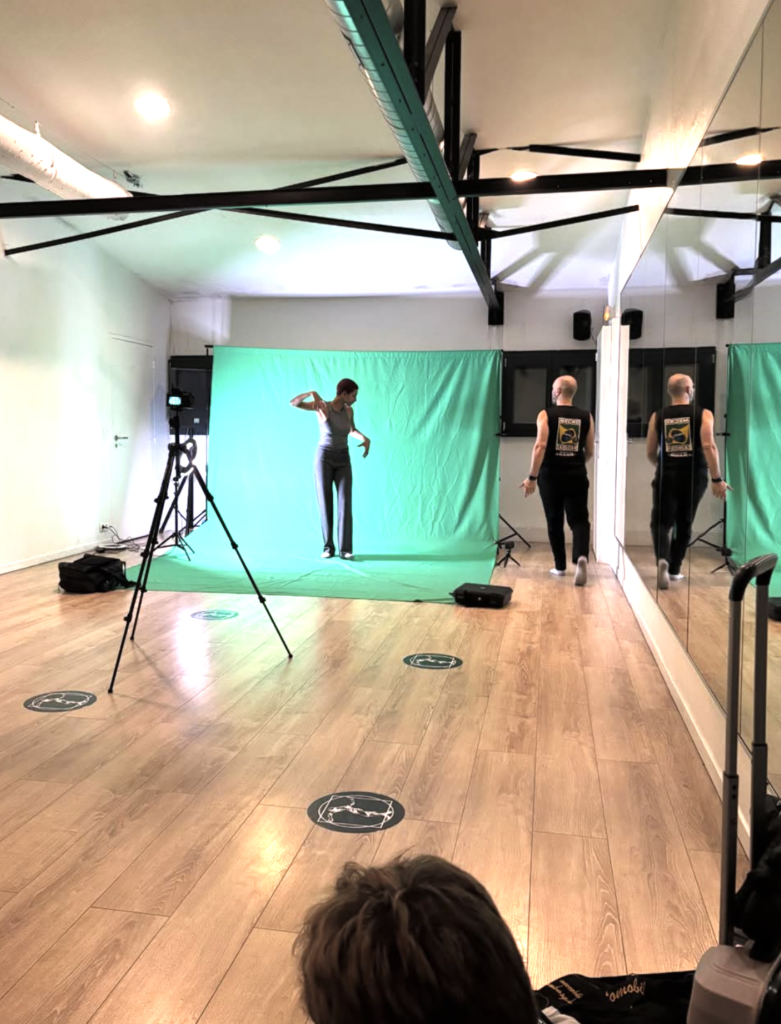
Behind the scenes photos from the Paris video dance shoot for Feel It All!